
How to Maximize ADU Rental Value in LA
An ADU can become one of the most productive square feet on a Southern California property, but only when it is planned as a real rental asset rather than a leftover backyard structure. Knowing how to maximize ADU rental income begins well before a tenant sees the listing. The site plan, permitting path, layout, material selections, utility strategy, and leasing model all affect what the unit can command and what it costs to own.
For Los Angeles-area homeowners and investors, the strongest ADU projects balance rental appeal with long-term operating discipline. A unit that photographs well but lacks storage, privacy, or durable finishes may lease quickly and disappoint over time. A well-executed ADU, by contrast, can support dependable income, increase overall property utility, and strengthen resale value.
How to maximize ADU rental income starts before construction
The most expensive rental mistakes are usually made in preconstruction. Building the largest unit allowed is not automatically the best financial decision. The right size depends on the lot, the main residence, the target renter, construction cost, and the rent ceiling in the surrounding neighborhood.
Start by defining the intended use. A compact studio may perform well near employment centers, transit, universities, or neighborhoods with high demand for simple one-person housing. A one-bedroom unit often reaches a broader tenant pool and can justify a higher monthly rent. A two-bedroom ADU may serve small families, multigenerational households, or renters sharing the space, but it also requires a more thoughtful layout, higher construction budget, and stronger attention to parking, access, and privacy.
The rental strategy should also be decided early. Long-term leasing generally provides steadier occupancy and lower turnover costs. Mid-term furnished rentals can produce higher income in some locations, particularly for traveling professionals or families between homes, but furnishings, cleaning, insurance, and vacancy risk must be accounted for. Short-term rental rules vary significantly by jurisdiction and can change, so an investment plan should never depend on nightly-rental revenue without confirming current local requirements.
A disciplined feasibility review considers more than projected rent. It should account for design and engineering, permits, site work, utility upgrades, financing costs, insurance, maintenance, property taxes, vacancy, and professional management if needed. Gross rent is an attractive number. Net operating income is the number that determines whether the project performs.
Design for the renter you want to keep
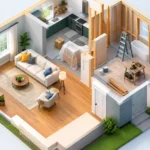
Premium rental performance is often created by details tenants use every day. An ADU does not need excess square footage to feel generous, but it does need a clear, efficient floor plan. Avoid circulation that consumes valuable living area. Give the kitchen enough workable counter space, include full-height storage where possible, and create a distinct place for dining, working, or both.
Natural light has an outsized effect on perceived value. Properly positioned windows, glazed doors, and a thoughtful connection to an outdoor patio can make a smaller unit feel considerably larger. At the same time, privacy must be protected. Windows should be placed to limit direct sightlines into the primary home and neighboring yards. Strategic landscaping, fencing, and separate outdoor zones help both the homeowner and tenant feel that the property is intentionally organized.
Laundry is another practical differentiator. In-unit laundry is highly attractive in the Los Angeles rental market, especially for one-bedroom and larger ADUs. If space is tight, a properly planned laundry closet can still add meaningful appeal. Reliable heating and cooling, sound control between the ADU and main house, and strong internet access matter just as much as decorative finishes.
A separate entrance is essential for most rental-oriented ADUs, but access should feel safe and obvious rather than improvised. A well-lit path, clear address visibility, secure gate hardware, and an entry that does not force a tenant through the owner’s private outdoor area can support stronger rent and a better landlord-tenant relationship.
Spend on finishes that protect the asset
Rental finishes should be durable, attractive, and easy to repair. This is where an experienced design-build team can protect the budget from false economies. The least expensive material is not always the least expensive choice over five or ten years.
Porcelain tile, quality luxury vinyl plank, quartz counters, solid cabinetry hardware, and washable low-sheen paint are often strong choices because they hold up to normal use while presenting a clean, upgraded appearance. In kitchens and baths, prioritize fixtures with readily available replacement parts. A specialty faucet may look impressive, but it becomes a liability if a simple cartridge repair requires a long lead time.
Keep the design cohesive without overbuilding for the neighborhood. High-end finishes can help an ADU compete in premium markets, but a highly customized unit may not produce a matching increase in rent. The goal is not to make every selection expensive. The goal is to create a polished, durable home that feels materially better than the average rental option nearby.
Control construction risk with a coordinated process
ADU projects involve more coordination than their size suggests. Zoning, setbacks, fire access, sewer capacity, electrical service, grading, drainage, utility trenching, and local permit interpretation can all affect cost and schedule. In Los Angeles County and surrounding cities, requirements are not identical from one jurisdiction to another.
A fragmented approach can create gaps between design intent and field conditions. When the architect, engineer, permit expediter, subcontractors, and owner operate separately, changes often surface after construction has already started. Those changes are typically more expensive and harder to manage.
An end-to-end design-build process brings planning, architecture and engineering coordination, materials selection, permitting, and construction under accountable project management. MDM General Contractor approaches ADU development with this level of operational control, helping clients make earlier decisions when those decisions still protect the budget and rental objective.
Do not overlook infrastructure. An older property may require electrical panel upgrades, sewer work, or new utility connections that materially change the investment. These are not glamorous line items, but addressing them accurately during preconstruction prevents a promising rental project from becoming a series of expensive surprises.
Price the ADU from market evidence, not optimism
Once the ADU is complete, pricing should reflect comparable rentals with similar size, condition, location, parking, laundry, outdoor space, and furnishing level. Owners often overvalue a new unit simply because it is new. Tenants do value new construction, but they also compare it against available alternatives and make practical decisions about commute, neighborhood, privacy, and monthly cost.
A well-presented listing supports the right price. Professional photography should show the entry, main living area, kitchen, bath, bedroom, storage, laundry, and outdoor space. The description should clearly state what is included, such as utilities, appliances, parking, internet, or furnished elements. Ambiguity creates unqualified inquiries and slows leasing.
If the unit does not rent quickly, do not assume price is the only issue. Review the entire offer. Is the listing clear? Does the application process move efficiently? Is access convenient for showings? Are there restrictions that make the property less competitive? A modest price adjustment can be appropriate, but operational friction can cost just as much as an unrealistic asking rent.
Protect income with professional operations
Rental income is maximized when revenue is preserved, not merely when the advertised rent is high. Screen tenants consistently and in compliance with applicable fair housing laws. Use a written lease that clearly addresses rent due dates, utilities, maintenance responsibilities, parking, guest policies, pets, entry notices, and use of shared outdoor areas.
Set aside a maintenance reserve from the beginning. Even a newly built ADU will need routine attention, from HVAC service and caulking to appliance repairs and exterior upkeep. Fast maintenance response protects the property and improves retention. Replacing a good tenant is usually more expensive than resolving a reasonable issue promptly.
For homeowners who prefer a hands-off role, professional property management may be worth the cost. The decision depends on the owner’s availability, distance from the property, and comfort handling leasing and maintenance. A self-managed ADU can produce stronger net income, but only when the owner has systems in place and responds professionally.
The most valuable ADU is not simply the one that rents for the highest number in its first month. It is the one designed, built, and managed to remain desirable year after year – protecting the property, the tenant experience, and the owner’s long-term return.