

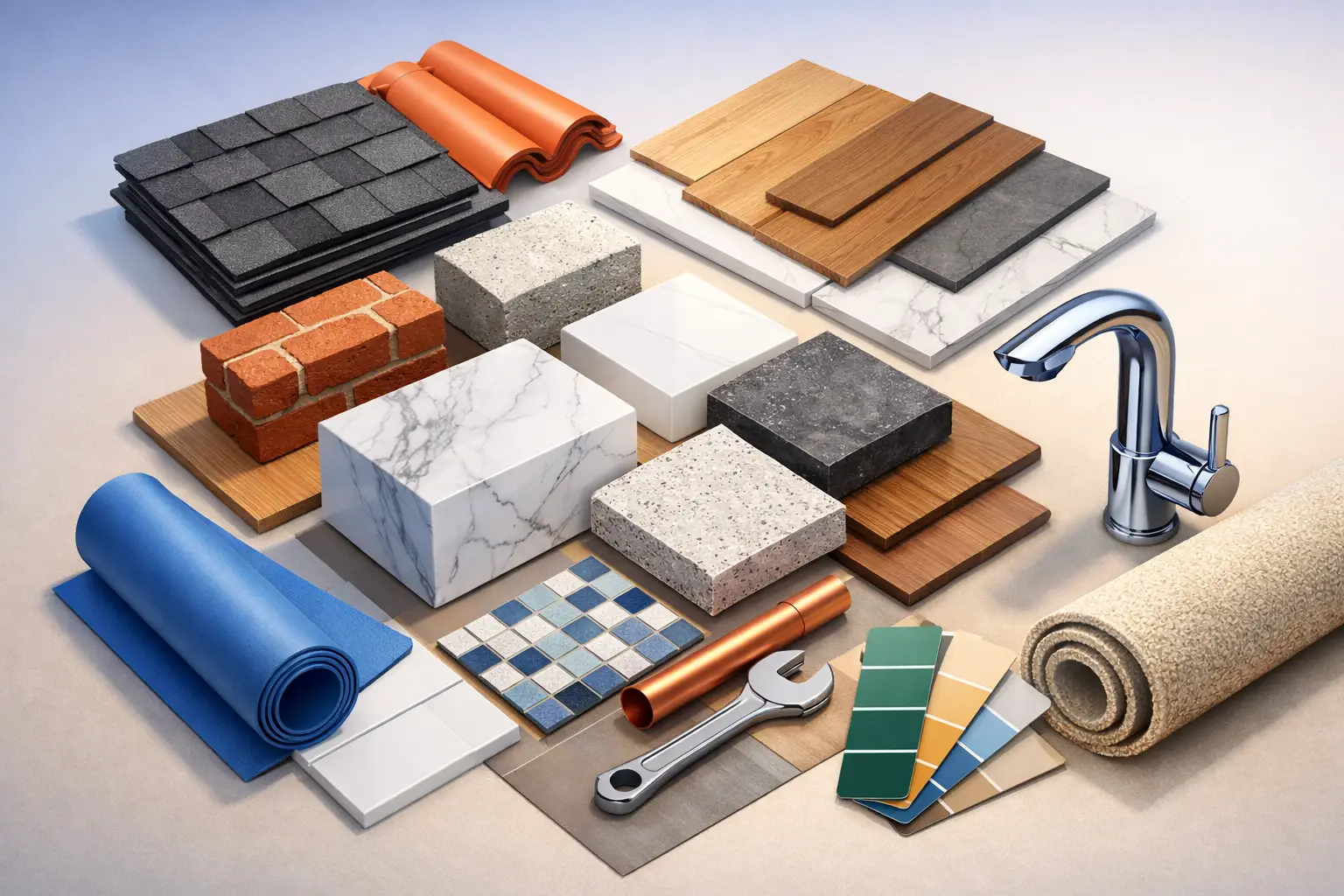
How to Choose Remodel Materials That Last
A material sample can look exceptional under showroom lighting and become the wrong choice once it meets direct Southern California sun, daily use, cleaning products, and the realities of an active household. Knowing how to choose remodel materials means looking beyond color and first impressions. The right selections need to perform in their specific location, support the design vision, fit the construction budget, and still feel appropriate years after the project is complete.
For a high-value remodel, materials should be treated as part of the building strategy, not as a late-stage decorating decision. Cabinet finishes affect maintenance. Tile selection affects waterproofing details. Window and door choices affect energy performance, security, and permit requirements. A disciplined selection process protects both the finished home and the investment behind it.
How to Choose Remodel Materials for Real-Life Performance
Start with the conditions each material will face. A beautiful surface is only a good material if it is suited to the room, exposure level, and way the household lives.
In kitchens, countertop decisions should account for heat, staining, scratching, seams, edge details, and maintenance expectations. Natural marble offers distinctive movement and a refined, one-of-a-kind appearance, but it can etch from acidic foods and develop a patina over time. That may be a worthwhile trade-off for an owner who values character. For a busy family kitchen or a property intended for rental use, quartzite or premium engineered stone may provide a more practical balance of appearance and durability.
Bathrooms demand the same discipline. Polished natural stone can create a luxury finish, yet it may be too slippery for a shower floor. Small-format porcelain tile or textured stone often provides better traction because the additional grout lines improve grip. In a wet area, the waterproofing system, slope to drain, tile size, and grout selection matter as much as the tile itself.
Exterior materials require special attention in Los Angeles and surrounding Southern California communities. Intense UV exposure can fade some finishes, heat can cause expansion and contraction, and coastal locations introduce salt air. Materials used at an entry, patio, pool area, or exterior cladding should be specified for outdoor use rather than selected solely because they coordinate with interior finishes.
A strong question to ask at every selection meeting is simple: What happens to this material after five years of normal use? If the answer involves constant care, costly refinishing, or a finish that will visibly age in high-touch areas, decide whether that upkeep fits the household and the property.
Set the Design Direction Before Selecting Finishes
Material selections work best when they follow a clear architectural and interior direction. Without that framework, homeowners often collect attractive samples that compete with one another once installed at full scale.
Begin with the fixed elements of the project: the home’s architecture, window placement, ceiling height, natural light, and relationship between rooms. A Spanish Revival residence, a contemporary hillside home, and a transitional family home can all use premium materials, but the appropriate proportions, textures, and details will be different.
Choose a limited number of anchor materials first. These are typically flooring, cabinetry, countertops, major tile, and plumbing finishes. Then build supporting selections around them. The goal is not to make every room identical. It is to create continuity through repeated undertones, metal finishes, wood species, grout colors, or slab movement.
Samples should be reviewed together and at a meaningful size. A small countertop chip does not show the veining, color variation, or seam layout that will appear across a large kitchen island. Likewise, a single wood-floor plank cannot reveal how a stain will read across an open-plan living area. Full samples, elevation drawings, and 3D visualizations make these decisions more reliable before materials are ordered.
Consider Light, Scale, and Finish
Natural light changes throughout the day, especially in rooms with large glazing or strong west-facing exposure. A white paint with a warm undertone may look balanced in one room and noticeably yellow in another. Dark cabinetry can add depth, but it may absorb light in a compact kitchen. Glossy finishes can make a space feel brighter, while also revealing fingerprints, water spots, and wall irregularities.
Scale deserves equal attention. Large-format tile can make a room feel expansive and reduce grout lines, but it requires a sufficiently flat substrate and careful layout. Dramatic stone slabs can create a focal point, yet heavy veining may overwhelm a smaller room. Professional planning helps ensure the material and its installation method work together.
Build a Budget Around Priorities, Not Unit Prices
The cost of a material is not limited to its price per square foot. Installation complexity, waste factors, delivery, fabrication, specialty trim, lead times, and future maintenance can substantially affect the final number.
For example, a less expensive tile may require more labor if it has an intricate pattern, small format, or difficult layout. Large porcelain panels can minimize grout joints and create a striking contemporary look, but they require experienced handling, precise site conditions, and specialized cutting equipment. A premium product installed poorly is not a premium result.
Establish where the project should make its strongest impression. In a kitchen remodel, that may mean investing in custom cabinetry, durable countertops, and professional-grade appliances while choosing a more restrained backsplash. In a primary bathroom, it may mean prioritizing a well-built shower system, quality fixtures, and stone or porcelain used strategically at the vanity and focal walls.
Avoid reducing the budget by compromising hidden systems. Waterproofing, underlayment, cabinet construction, window flashing, insulation, and structural connections are not visually dramatic, but they determine whether the finish materials remain protected. If a budget adjustment is necessary, simplify a decorative selection before cutting back on the construction assembly behind it.
Verify Availability, Lead Times, and Replacement Options
A material can be perfect on paper and still create avoidable schedule pressure if it is backordered, discontinued, or only available in inconsistent lots. This is particularly relevant for imported tile, specialty plumbing fixtures, custom doors, and natural stone.
Before final approval, confirm the product’s lead time, required quantities, dye-lot or batch information, and whether extra material should be purchased. Ordering attic stock for flooring, tile, and paint is a practical safeguard. It allows for future repairs without relying on a product that may no longer be available or may vary from the original production run.
Natural materials require another level of review. Stone, wood, and handmade tile have inherent variation, which is often part of their appeal. But the homeowner, designer, fabricator, and contractor should align on what variation is acceptable before installation. Slab selection, vein matching, tile mockups, and finish samples prevent subjective disagreements after the material is already on the wall or countertop.
Match Materials to the Ownership Plan
The best material package depends partly on who will own and use the property. A long-term primary residence can support more personal and maintenance-sensitive choices than a property being prepared for resale or rental.
For a homeowner planning to remain in the house for a decade or longer, investing in materials that reflect personal taste can be the right decision. A hand-finished plaster wall, natural oak flooring, unlacquered brass, or honed marble may develop character that becomes more meaningful over time.
For a resale-focused remodel, prioritize broad appeal, consistency, and durability. Neutral but layered finishes, reliable flooring, quality hardware, and timeless tile generally support a stronger market position than highly specific trends. The objective is not to make the home generic. It is to create a finished product that feels considered, current, and easy for the next owner to live with.
For investors and landlords, serviceability should carry more weight. Choose materials that can be cleaned, repaired, and sourced again without major disruption. A durable porcelain tile, standard-size replacement parts, and accessible fixture finishes can reduce future turnover and maintenance costs.
Coordinate Selections With Construction Early
Material decisions affect drawings, permits, rough-in locations, framing, electrical planning, and sequencing. Waiting until construction is underway to select key products can lead to change orders, delays, or compromised details.
A wall-mounted faucet, for example, must be coordinated during plumbing rough-in. A recessed medicine cabinet needs framing clearance. Oversized tile may affect shower framing and substrate preparation. Appliance selections determine cabinet dimensions, ventilation requirements, electrical circuits, and delivery timing. These are not finish-only decisions.
An integrated design-build team can coordinate selections with the scope, budget, and construction schedule from the beginning. At MDM General Contractor, this approach allows material decisions to be evaluated alongside technical requirements rather than treated as disconnected showroom purchases. The result is greater control over cost, quality, and execution.
Before placing final orders, review a complete selection schedule that identifies each product, finish, quantity, installation location, and approval status. This document gives the project team a clear record and reduces confusion when multiple rooms, vendors, and trades are involved.
The strongest material palette is not necessarily the most expensive one. It is the one that fits the home, supports the way it will be used, and can be installed with precision. Make selections early, view them in the project context, and give equal weight to what happens behind the finished surface. That is how a remodel earns its quality long after the final walkthrough.